
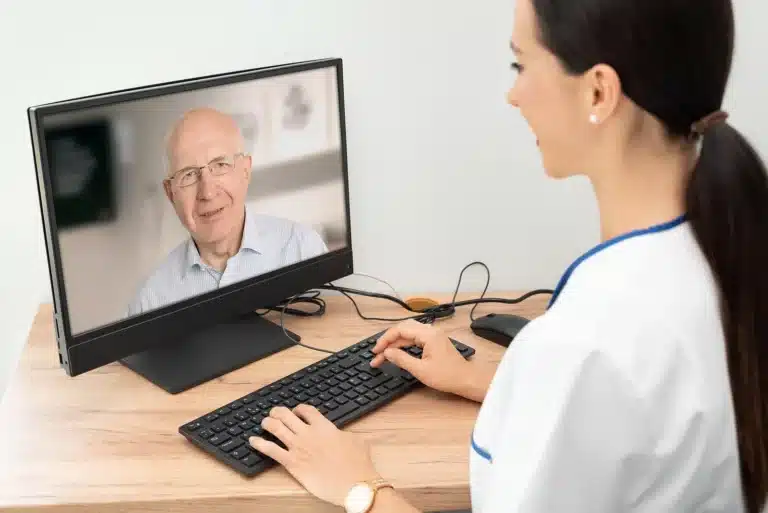
For many families, caring for an aging parent comes with a constant worry: what happens when no one is there? Even with reliable in-home support, there are always gaps — overnight, between caregiver shifts, or during busy workdays.
This is where virtual in-home care plays an important role. By extending support beyond scheduled visits, it helps ensure seniors remain safe, supported, and connected at all times. For adult children balancing careers, families, and caregiving responsibilities, this added layer of reassurance can make a meaningful difference.
Why the “In-Between” Hours Matter Most
It’s easy to assume that a few hours of daily care is enough. However, many of the most serious risks for seniors don’t happen during scheduled visits — they occur during unsupervised moments.
Late nights, early mornings, and unexpected changes in routine can create vulnerability. A missed medication, a fall, or even a subtle shift in behavior can go unnoticed without consistent oversight.
Virtual in-home care helps bridge these gaps by creating a continuous safety net. Even when no one is physically present, there is still a system in place to monitor well-being and respond when something seems off.
What This Type of Support Looks Like Day to Day
Modern caregiving is no longer limited to in-person assistance. With the right tools in place, families can stay informed about their loved one’s daily routine and overall wellness.
At its core, virtual in-home care provides:
- Around-the-clock monitoring of activity and wellness patterns
- Alerts for unusual inactivity or potential safety concerns
- Regular check-ins from a dedicated care coordinator
These features work together to give families a clearer picture of what’s happening at home, helping them stay proactive instead of reactive.
Supporting Independence Without Being Intrusive
One of the biggest concerns seniors have is maintaining their independence. Many worry that additional support will feel invasive or limit their freedom.
This approach offers a more balanced solution. Instead of relying on constant in-person supervision, it uses discreet technology to track patterns rather than personal details. Seniors can continue their routines, move freely throughout their homes, and maintain a sense of control.
For families, this balance provides reassurance without compromising dignity — an essential part of aging in place.
Peace of Mind for Adult Children
Caregiving often comes with a quiet but constant stress. Adult children may find themselves wondering throughout the day whether their parent is safe, eating properly, or following their routine.
Virtual in-home care reduces that uncertainty. With updates and alerts in place, families no longer have to rely on guesswork. Instead, they can feel confident that changes in behavior or potential concerns will be brought to their attention.
This peace of mind allows caregivers to focus on their own responsibilities while still staying connected to their loved one’s care.
Catching Small Changes Early
Subtle changes in routine can be early indicators of larger health concerns. A decrease in movement, disrupted sleep, or missed meals may signal that something isn’t quite right.
With continuous monitoring, these changes are easier to detect. Early awareness allows families and care providers to step in quickly, often preventing more serious complications.
This proactive approach is especially valuable for seniors managing ongoing health conditions, where early intervention can make a significant difference in outcomes.
Human Connection Still Matters
While technology is a key component, it is not the only one. Meaningful human interaction remains an important part of quality care.
Many programs include regular communication from a care coordinator who checks in with seniors, offering both support and companionship. These conversations help ensure that emotional well-being is not overlooked, especially for those who may spend long periods alone.
For families, it’s reassuring to know that someone is not only monitoring safety but also engaging with their loved one on a personal level.
A Practical Way to Extend Care
Providing constant, in-person care isn’t always realistic. Costs, scheduling challenges, and availability can make around-the-clock support difficult to maintain.
Virtual in-home care offers a practical way to extend coverage without requiring a continuous physical presence. It complements existing care, helping families build a more complete and sustainable support system.
When It May Be Time to Add This Layer of Support
Many families wait until a problem arises before exploring additional care options. However, adding support earlier can help prevent unnecessary stress and improve overall safety.
It may be time to consider virtual in-home care if:
- Your parent spends extended periods alone
- You live at a distance or cannot visit frequently
- There are concerns about safety, routines, or forgetfulness
Starting early allows families to create a stronger foundation for care, rather than reacting to emergencies after they happen.
Strengthening Care Through Connection
Caring for an aging parent is a journey that often comes with uncertainty. Having the right support in place can ease that burden and provide a greater sense of control.
Virtual in-home care strengthens the caregiving experience by filling the gaps, improving communication, and offering continuous reassurance. It allows families to stay informed and involved, even when they cannot be physically present.
For adult children, that means less worry and more confidence. For seniors, it means maintaining independence while knowing help is always within reach.
If you or an aging loved one are considering virtual in-home care in Fowler, CA please contact the caring staff at A-Plus In Home Care, Inc. today. Call (559) 224-9442
A-Plus In Home Care, Inc. is a Trusted Home Care Agency serving Fresno, Clovis, Sunnyside, Fowler, Reedley, Selma, Sanger, and Madera CA and surrounding areas.

- Celebrating October Birthdays at A-Plus In Home Care! - September 29, 2026
- What Are the Signs of Unsafe Senior Driving? - September 16, 2026
- Congratulations to Esmeralda Lopez, Our New Client Liaison! - September 3, 2026